Soil Removal Sydney: Essential Guide to Safe Disposal in 2026
Soil Removal Sydney requires careful planning, correct waste classification and disposal at a lawful facility. Depending on your excavation project, you may also need council approval before removing soil. Understanding NSW environmental regulations helps you avoid penalties, protect neighbouring properties and ensure your construction or landscaping project progresses without unnecessary delays.
Whether you are preparing foundations, installing a swimming pool or clearing land for development, managing excess soil should be part of your initial project planning.
Understanding Soil Removal Sydney Requirements
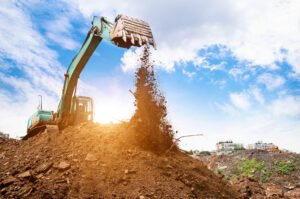
Excavation projects generate different quantities and types of soil. Residential landscaping may produce relatively small amounts, while commercial construction and basement excavation can generate several truckloads of material.
Soil Removal Sydney involves more than simply digging and transporting unwanted earth. The material must be assessed, handled appropriately and delivered to a location legally permitted to receive it.
Sydney’s varying ground conditions, including sandstone, clay and sandy soils, can also influence excavation methods and transportation requirements.
Do You Need Council Approval for Soil Removal?
Not every excavation project requires council approval. However, the nature, depth and location of your earthworks determine whether development approval is necessary.
When planning Soil Removal Sydney, approval requirements may depend on:
-
Excavation depth and total affected area.
-
Proximity to neighbouring properties.
-
Existing retaining walls and structures.
-
Underground utilities and drainage systems.
-
Environmental and heritage restrictions.
-
Potential soil contamination.
Some minor earthworks may qualify as exempt development if they meet the relevant standards. Larger projects may require development consent or a complying development certificate.
Visit the NSW Government Planning website for information about development approval pathways.
Understanding Different Soil Classifications
Correct soil classification is an important part of Soil Removal Sydney. Different materials have specific handling, transportation and disposal requirements under NSW environmental regulations.
Virgin Excavated Natural Material (VENM)
VENM generally includes naturally occurring soil, sand, clay and rock that meets specific contamination and composition requirements.
This material may be suitable for lawful reuse in construction and land development projects. However, natural-looking soil does not automatically qualify as VENM.
Excavated Natural Material (ENM)
ENM is another category of excavated material that may qualify for reuse under applicable NSW resource recovery requirements.
During Soil Removal Sydney, appropriate assessment helps determine whether excavated material meets the relevant conditions for reuse.
Contaminated Soil
Soil may contain petroleum products, heavy metals, chemicals, asbestos or other hazardous substances. Contaminated material requires appropriate assessment and specialised management.
The NSW EPA Waste Classification Guidelines explain how waste generators should classify different materials before disposal.
Where Can You Legally Dispose of Excavated Soil in Sydney?
Legal disposal is one of the most important considerations when organising Soil Removal Sydney.
Excavated material must be transported to a facility or location that can lawfully accept that particular type of waste.
Depending on its classification, suitable destinations may include authorised recycling facilities, waste disposal facilities or approved resource recovery sites.
Never assume that vacant land or another construction site can legally receive your unwanted soil. Even apparently clean fill may be subject to environmental and planning restrictions.
How Does the Soil Removal Process Work?
Professional Soil Removal Sydney typically involves several stages, starting with an assessment of your property and excavation requirements.
A properly planned process includes:
-
Site assessment: Reviewing ground conditions, machinery access and excavation requirements.
-
Soil classification: Identifying the material and determining whether testing is necessary.
-
Excavation: Removing soil using suitable earthmoving machinery.
-
Loading and transportation: Moving excavated material securely.
-
Legal disposal: Delivering soil to an appropriate receiving facility.
-
Documentation: Retaining relevant disposal receipts and classification records.
Civil X Excavation Group PTY LTD can assist with planning excavation and soil removal requirements for your property or construction project.
Environmental Risks of Incorrect Soil Disposal
Improper Soil Removal Sydney can contribute to water pollution, soil contamination and damage to surrounding vegetation.
Loose soil can enter stormwater drains during rainfall, carrying sediment into local waterways. Poorly positioned stockpiles may also interfere with drainage and create problems for neighbouring properties.
The Protection of the Environment Operations Act 1997 regulates environmental pollution and unlawful waste disposal across NSW.
Both waste owners and transporters can face legal consequences for unlawful disposal. The NSW EPA construction and demolition waste guidelines provide further information about these responsibilities.
Can Excavated Soil Be Reused?
Not all excavated material needs to be sent to landfill. Depending on its classification and applicable approvals, Soil Removal Sydney may involve recovering suitable material for reuse.
Potential applications include land levelling, construction fill and landscaping projects.
However, soil must meet relevant environmental requirements before being transferred to another property. Reusing unsuitable material can introduce contamination and create long-term environmental problems.
Separating natural soil from bricks, concrete, rubbish and other construction debris during excavation can help preserve suitable recovery options.
Preparing Your Property for Soil Removal Sydney
Proper preparation can reduce disruptions during excavation and help maintain a safer working environment.
Before machinery arrives, clear accessible pathways, remove movable outdoor furniture and identify any known underground services.
You should also discuss vehicle access, existing structures and soil storage areas with your excavation contractor.
For Soil Removal Sydney, keeping excavation areas accessible and arranging appropriate sediment controls can make material handling more manageable, particularly on properties with restricted access.
When to Call a Professional
Professional assistance is advisable when Soil Removal Sydney involves large volumes of earth, deep excavation, restricted access or potentially contaminated material.
Excavating near foundations, retaining walls or underground services also requires careful planning to reduce structural and safety risks.
Contact Civil X Excavation Group PTY LTD to discuss your excavation requirements, site conditions and suitable soil removal arrangements.
Conclusion
Soil Removal Sydney requires responsible excavation, accurate material classification and lawful disposal. Checking council requirements and selecting appropriate disposal facilities can help prevent environmental damage and regulatory complications.
Whether you are undertaking residential landscaping or commercial site preparation, planning Soil Removal Sydney before excavation begins can help keep your project organised.
Speak with Civil X Excavation Group PTY LTD about your upcoming excavation and soil removal project.
Frequently Asked Questions
Is a permit required for Soil Removal Sydney?
Permit requirements depend on excavation depth, project size, property restrictions and applicable planning regulations. Check with your local council before starting significant earthworks.
Can I dispose of excavated soil in a skip bin?
Some skip bin providers accept suitable soil. Confirm the accepted waste classification, weight restrictions and lawful disposal arrangements before booking.
Does Soil Removal Sydney require soil testing?
Testing may be necessary when contamination is suspected, the site’s history is uncertain or the intended disposal or reuse pathway requires laboratory assessment.
Can Soil Removal Sydney include contaminated material?
Yes, but contaminated soil requires appropriate classification, specialised handling and transportation to a facility legally authorised to accept it.
